There’s something unmistakably Australian about a small-town main street on a hot summer afternoon. A sleepy Australia Post shop, a takeaway store with umbrellas fluttering in the wind, a scattering of gum trees and sun-bleached signage — scenes like this form the visual backbone of everyday life outside the capital cities.
This photograph captures that atmosphere perfectly. At first glance, it looks like a simple documentary-style street photo. But look closer, and you’ll see why it strikes such a nostalgic chord: the tones, the colours, and the overall mood echo the look of 1990s and early-2000s consumer film photography, the kind created by cheap point-and-shoot cameras loaded with Kodak Gold, Fuji Superia or Agfa Vista.
Today, that aesthetic is back in a big way — and this image shows exactly why.
A Slice of Small-Town Australia
The scene is instantly recognisable to anyone who’s lived in or visited regional Australia:
- The bright red Australia Post sign spanning a low cinder-block building
- A humble takeaway shop next door, its umbrellas casting soft shadows over outside tables
- Stands of posters advertising iced coffee, energy drinks and milk — the kinds of products always found in rural servos and corner stores
- A quiet street with no foot traffic, suggesting a calm weekday under the harsh midday sun
- Gum trees swaying in a hot northerly breeze
It all feels frozen in time — a snapshot of ordinary life, yet deeply evocative.
This is the Australia that rarely makes it into glossy tourism brochures: the real, practical, down-to-earth side of the country.
Why It Feels Like a 90s Point-and-Shoot Photograph
Even though this image was captured digitally, the colour palette and tonality strongly resemble older consumer film, the kind families and travellers used for decades. That’s what makes it feel so familiar — emotionally familiar.
1. Muted, Pastel-Like Colours
Older film had a soft, slightly faded palette:
- Skies appeared pale blue
- Reds were slightly dulled
- Greens leaned toward teal or olive
This photo captures exactly that mood — nothing looks artificially vibrant.
2. Harsh Midday Australian Sunlight
Consumer film struggled with dynamic range.
High sun + high contrast =
- Deep shadows
- Burnt highlights
- A baked, summery feel
This is part of why old photo albums look the way they do — the limitations became the aesthetic.
3. Gentle Softness and Grain-Like Texture
This image avoids the razor-sharp, hyper-processed look of many modern cameras. The rendering feels:
- Soft
- Natural
- Slightly understated
Just like a film photo from a $99 Kodak or Canon Sure Shot camera in 1999.
4. Everyday Subject Matter
Consumer film was used for birthdays, holidays, errands and random small-town snapshots. This photo — a streetscape, a shopfront, a post office — mirrors that exact tradition.
It’s ordinary.
And that’s what makes it beautiful.
Why Images Like This Resonante Today
The “film look” revival isn’t just about aesthetics. It’s about emotion.
Modern photography can feel too perfect. Too polished. Too sharp. Too clinical.
Film — or digital styled to look like film — slows things down. It brings back:
- Imperfections
- Texture
- Mood
- Memory
Photos like this remind people of childhood road trips, school holidays, milk bars, and the feeling of being out in the heat while Mum ducked into the post office.
It’s nostalgic in a way that only Australians truly understand.
Small-Town Australia as an Emerging Photography Genre
More photographers are turning their lenses toward:
- Rural shopfronts
- Service stations
- Old pubs
- Milk bars
- Newsagents
- Country post offices
- Car parks in towns with a single street
These places are disappearing or being modernised, but they are iconic.
Documenting them preserves a visual archive of everyday Australian life — something future generations will thank us for.
This photograph fits perfectly into that growing trend and shows how even the simplest scene can carry emotional and cultural weight.
How to Achieve This Look in Your Own Photography
If you love this aesthetic, here are some ways to recreate it:
Shoot With Real Film
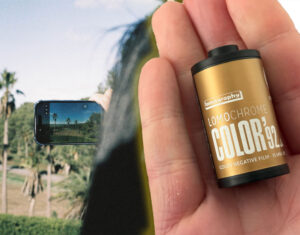
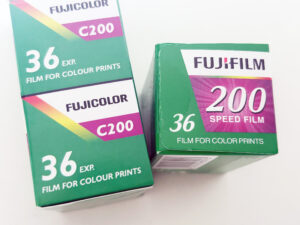
- Kodak Gold 200
- Fuji Superia 400 (if you can still find it)
- Agfa Vista 200 (discontinued but iconic)
Use Film-Style Presets
- Portra 160/400 emulations
- Fuji 200 look-ups
- “Consumer film” Lightroom presets
Embrace Harsh Daylight
Counterintuitive — but real Australian film photos often used the worst lighting possible.
That’s part of the charm.
Photograph the Everyday
Don’t chase perfection.
Photograph:
- Shops
- Streets
- Signs
- Post offices
- Petrol stations
These are the images that age the best.
A Photograph That Feels Like Home
This quiet little street scene captures something universal about Australia: the simplicity of daily life, the ordinary beauty of rural towns, and the lingering warmth of memories shaped by old cameras and family photo albums.
It’s more than just a picture of a post office, it’s a reminder of a time when life felt slower, sunnier, and a little softer around the edges.
And that’s why people connect with images like this. They don’t just show us a place.
They show us how it felt to be there.