


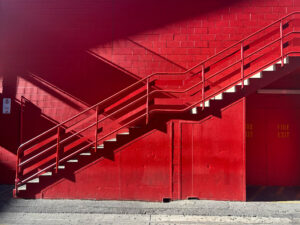

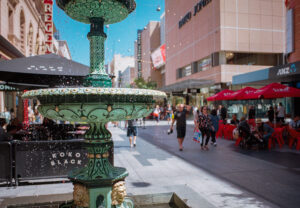
















Liminal photography is an emerging genre that focuses on capturing transitional or “in-between” spaces—moments where the ordinary world feels strange, unfamiliar, or even dreamlike. These are the photos that make you pause and feel like you’ve stepped into another dimension, often defined by stillness, emptiness, or an uncanny sense of waiting for something to happen. But what exactly is liminal photography, and why has it become such a powerful visual trend? The allure of in-between, liminal places and moments.
Defining liminal photography
The word liminal comes from the Latin limen, meaning “threshold.” In cultural studies and psychology, liminality refers to the ambiguous state between two defined points—for example, twilight between day and night, or the feeling of being in an airport terminal between departure and arrival.
Liminal photography, then, is the artistic practice of using a camera to capture these threshold states. It highlights spaces that are normally overlooked: empty hallways, deserted streets at dusk, flickering neon signs, or stairwells lit by a single bulb. These images evoke feelings of nostalgia, eeriness, or anticipation—emotions that are hard to name but universally felt.

Key characteristics of liminal photography
Empty or transitional spaces
The absence of people is a defining trait. Schools at night, vacant office buildings, or empty swimming pools often become the stage.
Atmospheric lighting
Many liminal photos use artificial light—fluorescent tubes, sodium lamps, neon signs—that casts strange colours and unsettling shadows.
Stillness and silence
There’s a strong sense of quietness, as though the photo has captured a pause in reality.
Surreal familiarity
Viewers recognise the space, yet it feels subtly wrong—too empty, too quiet, too timeless.

Why liminal photography resonates
Part of liminal photography’s power comes from how it taps into human psychology. We associate thresholds with change, uncertainty, and possibility. A photo of an empty train station at midnight can feel nostalgic for past journeys, while also unsettling because it strips away the usual flow of life.
On social media, liminal photography has surged because it resonates with collective feelings of dislocation in modern life. The pandemic, urban sprawl, and constant digital connectivity have left many people feeling “in between”—and liminal images give a visual language to that experience.

How to create liminal photography
You don’t need expensive gear to get started. What matters most is recognising spaces that feel transitional and capturing them with intention. Here are a few tips:
- Explore at off-hours. Visit familiar places late at night or early in the morning.
- Look for artificial light. Street lamps, vending machines, and neon signs create the eerie glow that defines many liminal photos.
- Focus on framing. Centre doorways, hallways, and staircases to emphasise the feeling of a threshold.
- Embrace imperfection. Grain, blur, or muted tones can enhance the dreamlike quality.
Famous examples and influences
While liminal photography has exploded online in recent years, its roots can be traced to earlier art and cinema. Filmmakers like David Lynch and Stanley Kubrick used liminal spaces—long hotel corridors, deserted suburbs—to unsettle audiences. Photographers exploring abandoned buildings, empty shopping malls, or forgotten amusement parks paved the way for today’s aesthetic.
The rise of “liminal space” communities on platforms like Reddit and Instagram has further popularised the genre, inspiring thousands of photographers worldwide.
So, what is liminal photography?
At its core, it’s the art of capturing thresholds—those uncanny spaces where time seems to stretch and reality feels uncertain. By focusing on emptiness, silence, and surreal familiarity, liminal photography evokes powerful emotions that resonate deeply with viewers. Whether you’re a photographer seeking inspiration or a curious observer drawn to its haunting aesthetic, liminal photography invites you to pause at the edges of ordinary life and see the extraordinary in the in-between.


